
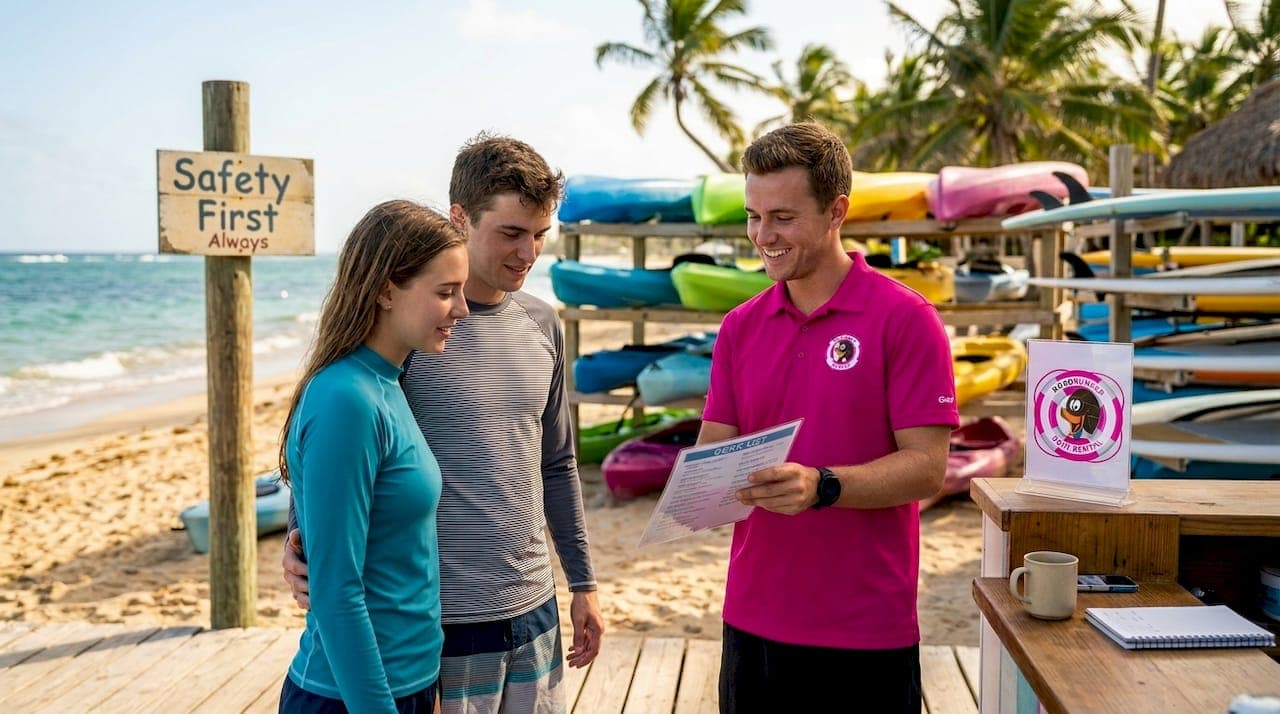
Most people picture jet skis when they hear "water sports rental." That assumption cuts you off from dozens of options that are cheaper, easier, and honestly more fun for a lot of situations. A water sports rental, the industry term is watercraft and equipment hire, covers everything from a $15 paddleboard to a party boat that fits 12 people. According to operator guides for 2026, rentals include non-motorized and small motorized watercraft plus gear like kayaks, surfboards, and snorkel kits. This guide covers the full picture so you can pick the right option, know what it costs, and show up prepared.
Table of Contents
- Key takeaways
- What is a water sports rental and what's actually available
- How the rental process actually works
- Choosing the right rental for your group
- Best locations and when to go
- My honest take on water sports rentals
- Explore water sports rentals in South Florida
- FAQ
Key takeaways
| Point | Details |
|---|---|
| Rentals go beyond boats | Water sports equipment rental includes paddleboards, kayaks, snorkel gear, surfboards, and more. |
| Pricing depends on craft and duration | Kayaks and SUPs typically run $15 to $20 per hour, while large group rafts can reach $299 per day. |
| Safety steps are standard | Expect to sign a waiver, receive a safety briefing, and wear a life jacket for most water activities. |
| Book in advance for peak season | Rental seasons typically run May through September, and popular slots fill up fast. |
| Match the rental to your group | Solo paddlers, families, and large groups all have different craft options at different price points. |
What is a water sports rental and what's actually available
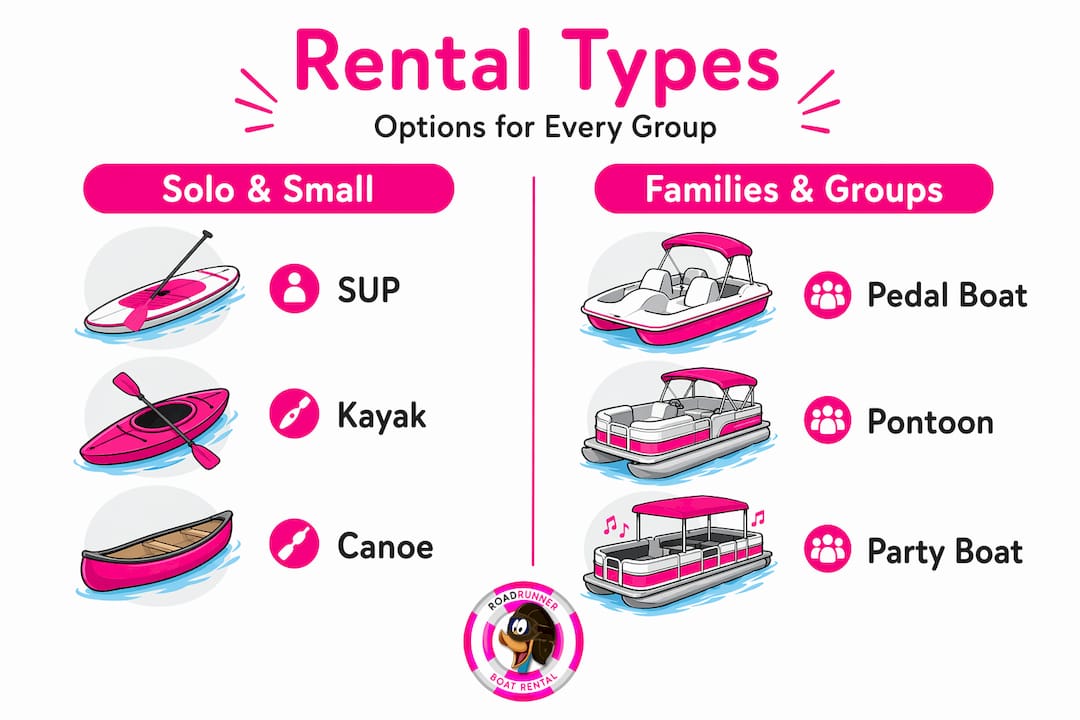
A water sports rental lets you use watercraft or gear for a set time without owning any of it. You pay for the experience, not the equipment. The term covers a much wider range than most people expect, and most rentals are time-based, structured in hourly, half-day, or full-day blocks.
Here is a breakdown of what you will commonly find available at beach water activities rental operators:
- Stand-up paddleboards (SUPs): Flat boards you stand on while paddling. Great for calm water and beginners. These are the fastest-growing rental segment in the industry because they're lightweight and easy to learn.
- Kayaks: Available as single or tandem, these are low-profile boats you paddle from a seated position. Perfect for exploring coves, rivers, and calm bays.
- Canoes: Wider and more stable than kayaks, canoes work well for families with young kids or gear-heavy trips.
- Surfboards: Often rented alongside lessons. Rental shops frequently offer gear-only or lesson bundles including wetsuits.
- Snorkel and dive gear: Masks, fins, and vests rented individually or as kits at reef or coastal locations.
- Pedal boats: Foot-powered boats that are ideal for lakes and calm inlets. Popular with families.
- Small sailboats: Available at some coastal and lake-based operators for those with basic sailing knowledge.
Here is a comparison to help you find the right fit:
| Watercraft | Typical rental duration | Best for |
|---|---|---|
| Stand-up paddleboard | 1 to 2 hours | Beginners, solo or pairs, calm water |
| Single kayak | 1 to 4 hours | Solo paddlers, exploring shorelines |
| Tandem kayak | 1 to 4 hours | Couples, parent-child pairs |
| Canoe | Half-day or full day | Families, gear-heavy trips |
| Surfboard | 1 to 2 hours | Beginner surfers with lesson add-on |
| Pedal boat | 30 minutes to 2 hours | Kids, leisurely lake outings |
| Party or pontoon boat | Half-day or full day | Groups of 6 to 12, celebrations |
How the rental process actually works
Understanding the process before you arrive saves time and avoids surprises. Water sports rental services are structured around time blocks and safety onboarding, not spontaneous walk-ups. Rentals are built around safety procedures because conditions on the water change and operators are responsible for your wellbeing while using their equipment.
What to expect when you show up
Most reputable operators follow a consistent process. You will check in, show ID, and provide payment. Then comes the safety briefing, which covers how to use the equipment, local hazard awareness, and what to do if something goes wrong. Liability waivers and age verification are standard at professional shops, and you will likely need to complete these before you touch any gear.
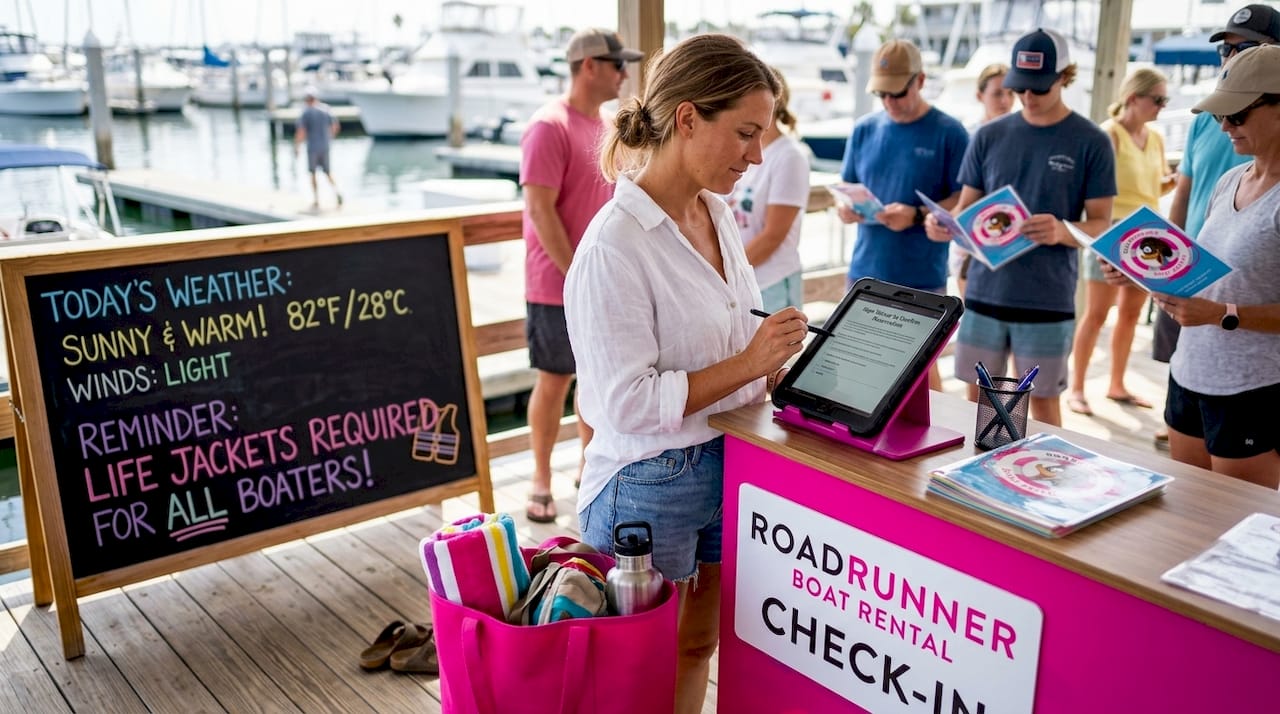
For pricing, you can expect kayaks and SUPs at roughly $15 to $20 per hour at most locations. A single tube runs around $40 on a holiday weekend. A large 12-person raft at peak season can hit $299 per day. Boat rentals vary widely based on size and region. You can review local pricing examples to get a realistic idea of what different watercraft cost in your area.
Here are the key safety tips and requirements you should know before any water rental:
- Always wear the provided life jacket if one is required or recommended.
- Stay within the designated rental zone unless otherwise cleared.
- Never operate motorized watercraft under the influence of alcohol.
- Know how to signal for help. Most operators cover this in the briefing.
- Check weather conditions before you head out, even if it looks clear at the dock.
Pro Tip: Complete your waiver online the night before your rental. Most shops offer this, and it saves 15 to 20 minutes at check-in during busy weekend mornings.
Choosing the right rental for your group
The biggest mistake people make when booking water sports equipment rental is choosing based on what looks fun in photos rather than what fits their actual group. A single-seat kayak feels liberating for one person and miserable for two. A party pontoon feels empty with three people on it.
Solo and small group options
If you are going out alone or with one other person, SUPs and kayaks are the most cost-effective and flexible options. They are easy to transport on site, require minimal instruction, and let you set your own pace. For couples, a tandem kayak gives you the shared experience without requiring any coordination skills beyond basic paddling.
Families with kids
Canoes and pedal boats are the sweet spots for families. Both offer stability and allow adults to maintain control while kids enjoy the ride. If your group includes teenagers, a small motorized boat or a guided tour kayak adds more range and keeps everyone engaged.
Large groups and events
Group rentals like party boats are designed for exactly this. A pontoon fits 8 to 10 people comfortably and gives you a shared floating space instead of splitting everyone into individual crafts. They are worth the premium price if you are celebrating a birthday, bachelor or bachelorette trip, or a family reunion. You can compare pontoon versus speedboat options to see which layout works better for your event.
Pro Tip: When booking for a group of six or more, always call ahead and confirm the maximum weight and passenger capacity. Most operators list this online, but it is easy to overlook until you are already at the dock.
Here is a quick breakdown by group profile:
- Solo or couples: SUPs, single or tandem kayaks, small canoe
- Families with children under 12: Pedal boats, canoes, guided kayak tours
- Teens and adventure seekers: Surfboard rentals, kayak tours, small motorized boats
- Large groups and celebrations: Pontoon boats, party boats, group kayak tours
Best locations and when to go
Timing and location shape your entire rental experience. Seasonal demand peaks from late spring through early fall, and many rental shops only operate during that window. If you show up in October expecting a full lineup of available gear, you may find limited selection or closed shops.
Weather affects more than just comfort. Wind speeds, wave heights, and incoming storms can limit what operators will rent out on a given day. This is especially true for surfboards, small sailboats, and kayaks in open water. Reputable shops will not send you out in unsafe conditions.
Here is a look at rental availability by region to help plan your trip:
| Region | Peak rental season | Notes |
|---|---|---|
| South Florida (Boca Raton, Miami) | Year-round | Warm weather extends availability all 12 months |
| California coast | April through October | Fog and swell patterns limit some months |
| Gulf Coast (Texas, Alabama) | March through October | Hurricane season may cause closures |
| Great Lakes (Wisconsin, Michigan) | May through September | Cold water limits shoulder months |
| Pacific Northwest | June through August | Short season due to rain and cold temps |
South Florida stands out among the best places for water sports rentals precisely because the season never really ends. You can book a Lake Boca boat trip in January and still get blue skies and calm water. That year-round availability makes the region a consistent choice for anyone planning a water outing without worrying about timing.
My honest take on water sports rentals
I have spent a lot of time around rental docks in South Florida, and one pattern I keep seeing is people underpreparing and overspending at the same time. They book the biggest boat because it looks impressive, then spend half the trip figuring out how to operate it. Meanwhile, the family next to them on a well-matched rental craft is having the actual time of their lives.
My honest opinion is that the best water sports rental experience starts with honesty about your skill level and your group's needs. A first-timer on a kayak who has had a 10-minute safety briefing will have more fun than someone who rented a speedboat with zero experience and is white-knuckling it the whole time.
I also think people underestimate how much the safety onboarding matters. Those five minutes where the staff walks you through the gear and the rules are not a formality. They are the difference between a great story and a bad one. Operators that skip or rush this step are ones to avoid.
The trend I find genuinely encouraging is how accessible rentals have become for non-athletes. You do not need to be a surfer or a sailor anymore to get on the water and love it. SUPs, pedal boats, and pontoons have opened the door for people who never considered themselves "water sports people." That is a real shift worth appreciating.
— Cristiano
Explore water sports rentals in South Florida
If you are in the Boca Raton area and ready to get on the water, Roadrunnerboatrental makes it straightforward. Whether you want a relaxed afternoon on Lake Boca or a full-day sandbar trip with your whole crew, the options are clear and the booking is direct.
Roadrunnerboatrental offers pontoons, party boats, and other watercraft suited for individuals, families, and group events. Rentals are available by the hour or by the day, so you are not locked into more time than you need. You can check current rental pricing or go straight to boat rentals in Boca Raton to see the full lineup. If your group is larger and you want a dedicated social experience, the party boat rental page has packages built for celebrations. Ready to lock in your date? Book your rental now and skip the walk-up wait.
FAQ
What does a water sports rental include?
A water sports rental typically includes the watercraft or gear for a set rental period, a safety briefing, and required safety equipment like life jackets. Some operators bundle extras like paddles, wetsuits, or snorkel kits depending on the activity.
How much does it cost to rent water sports gear?
Prices vary by activity and location. Kayaks and stand-up paddleboards generally run $15 to $20 per hour, while large group watercraft like 12-person rafts can cost up to $299 per day during peak season.
Do I need experience to rent a kayak or paddleboard?
No prior experience is required for most non-motorized rentals like kayaks and SUPs. Operators provide a quick safety briefing and basic paddling instructions before you head out.
What should I bring to a water sports rental?
Bring a valid ID, a signed or ready-to-sign waiver, sunscreen, water-resistant footwear, and a credit card for the deposit. Most gear like life jackets and paddles is provided by the rental shop.
When is the best time to book water sports rentals?
Book at least a few days in advance during peak season, which runs roughly May through September in most regions. South Florida rentals are available year-round, but weekends and holidays fill quickly regardless of the season.