
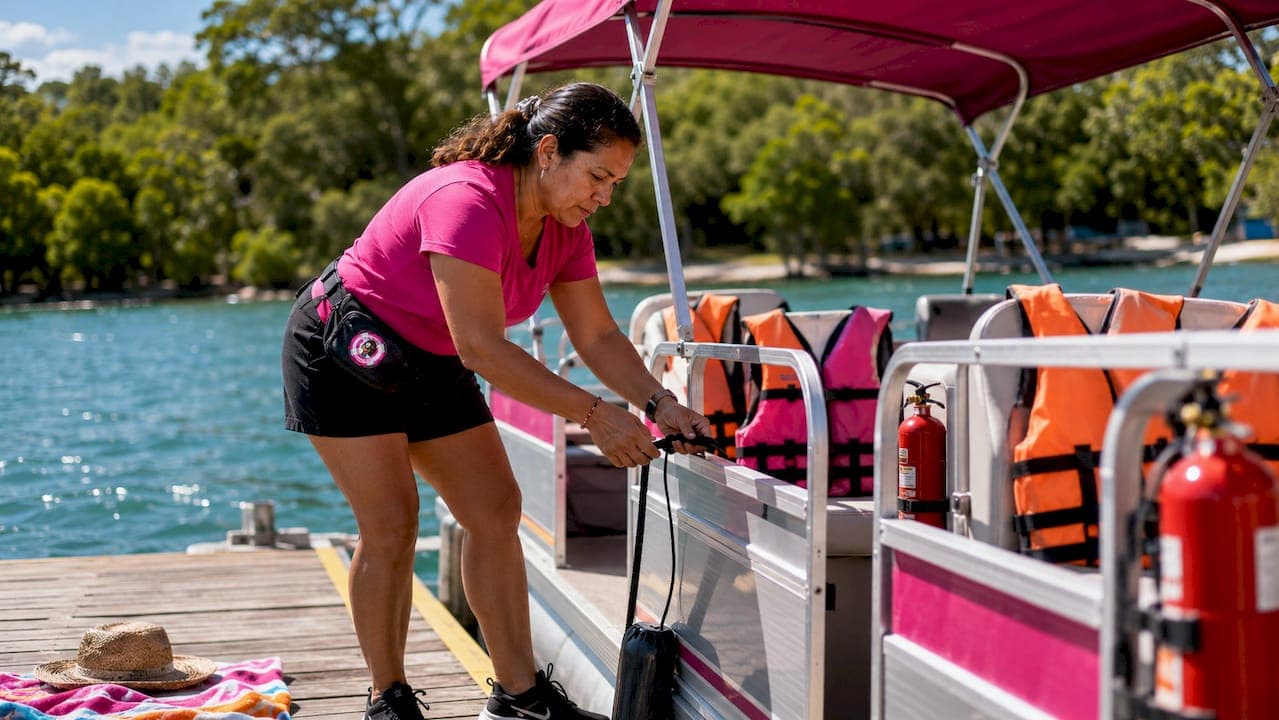
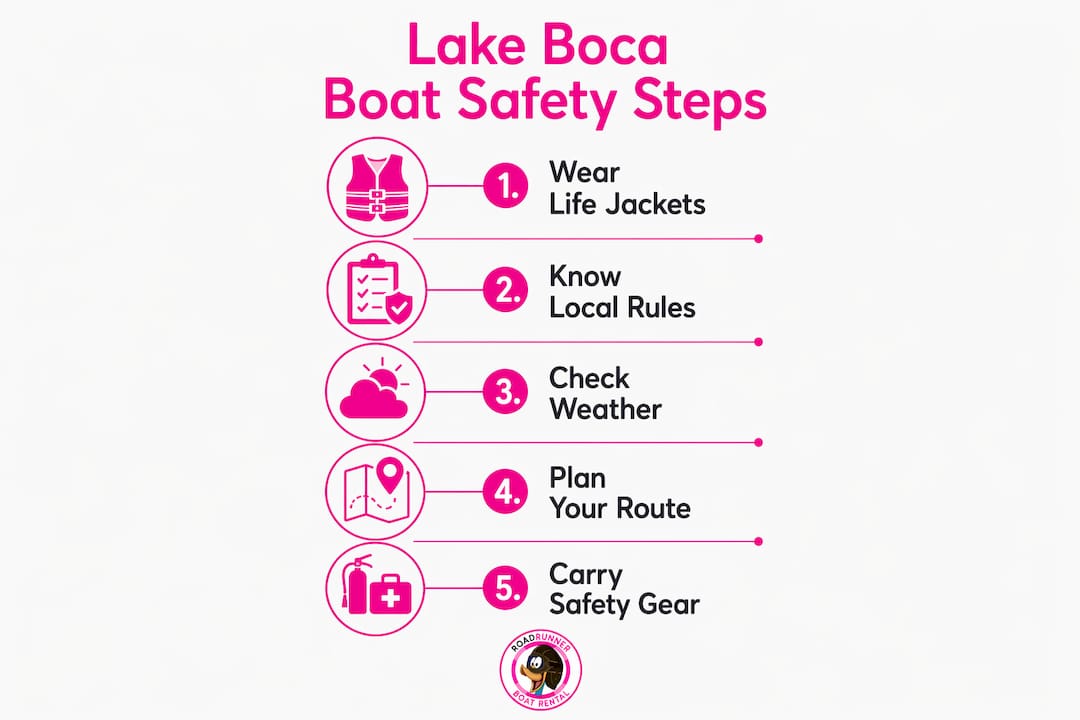
Safe boating on Lake Boca is defined by three non-negotiables: proper safety equipment, knowledge of Boca Raton-specific regulations, and awareness of the lake's unique navigational hazards. This Lake Boca Boat Safety Guide covers everything from mandatory life jacket rules and Florida boating laws to anchoring restrictions and emergency response steps. Whether you are renting a boat for the first time or you have been cruising South Florida waterways for years, the rules here apply to you. Lake Boca rewards prepared boaters and punishes careless ones.
What are the key boating safety rules specific to Lake Boca?
Boca Raton boating regulations combine Florida state law with city-specific ordinances, and knowing both is the difference between a great day on the water and a costly citation. The Florida Fish and Wildlife Conservation Commission (FWC) enforces state boating laws, while Boca Raton Police and Boca Raton Fire Rescue handle local enforcement, especially during high-traffic events.
Life jackets are the single most critical piece of equipment on your boat. 80% of boating drowning victims in Boca Raton were not wearing life jackets, according to Boca Raton Fire Rescue data. That number is not a warning. It is a verdict on what happens when boaters treat PFDs as optional. Florida law requires a U.S. Coast Guard-approved life jacket for every person on board, and children under 6 must wear one at all times on moving vessels under 26 feet.
Key rules every Lake Boca boater must follow:
- No-wake zones: Reduce speed to idle in marked no-wake zones near marinas, boat ramps, and residential canals. Violating these zones carries fines and creates dangerous wakes for smaller vessels.
- Navigation lights: Required from sunset to sunrise and during periods of restricted visibility. Running without lights at night is both illegal and dangerous.
- Boating under the influence (BUI): BUI is the leading cause of fatal boating incidents, and Boca Raton Fire Rescue actively enforces sobriety at major events. The legal blood alcohol limit on Florida waterways mirrors the road: 0.08%.
- Nighttime anchoring limits: A new Boca Raton ordinance caps nighttime anchoring at 30 nights in any rolling 6-month period across all city waterways, excluding designated mooring fields and permitted work areas. Violations result in fines and potential vessel removal.
- Operator age requirements: Boaters born after January 1, 1988 must carry a Florida Boating Safety Education ID card to operate a motorized vessel.
Pro Tip: Download the FWC Boating app before your trip. It shows real-time no-wake zones, ramp locations, and local regulation updates for Boca Raton waterways.
How to navigate hazards and popular spots on Lake Boca safely
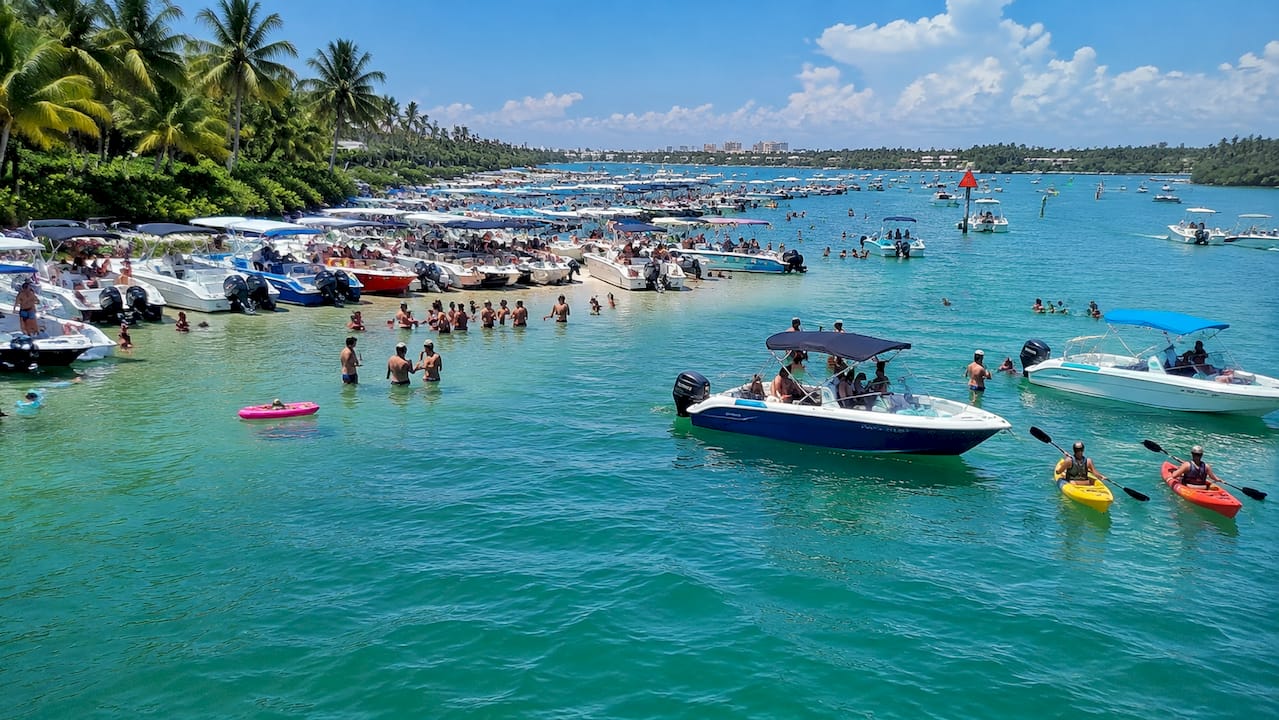
Lake Boca Raton, the body of water connecting the Intracoastal Waterway to the Atlantic Ocean via the Boca Raton Inlet, presents navigational challenges that catch unprepared boaters off guard. The lake is relatively shallow in sections, and the sandbar area near the north anchorage draws heavy weekend crowds that create their own category of risk.
| Location | Primary Hazard | Safety Tip |
|---|---|---|
| Lake Boca Sand Bar | Shallow water, dense crowds | Approach slowly, use a spotter, anchor with adequate scope |
| North anchorage near The Boca Raton resort | Tight spacing, boat traffic | Maintain 50-foot buffer from neighboring vessels |
| Boca Raton Inlet | Strong current, boat traffic | Check tide charts before entry or exit |
| Marina and ramp areas | Congestion, wakes | Idle speed only, yield to vessels launching |
The Lake Boca Sand Bar is the most popular anchoring spot in the area, and that popularity creates real risk. Anchorage areas around Lake Boca are highly crowded on weekends, with the north anchorage near The Boca Raton resort and the sandbar drawing dense concentrations of vessels. Anchoring too close to another boat leaves no room to swing on your anchor line when wind or current shifts. A 50-foot minimum buffer between vessels is the practical standard, not a suggestion.
Boca Bash 2026 is an unsanctioned event that draws thousands of boaters to Lake Boca, triggering ramp closures in surrounding municipalities and coordinated enforcement by the FWC, Boca Raton Police, and the U.S. Coast Guard. Large unsanctioned gatherings like Boca Bash escalate safety risks and require advanced planning to navigate safely. If you plan to attend, arrive early, identify your anchoring spot before the crowd peaks, and designate a sober operator before you leave the dock.
Reading local nautical charts is not optional on Lake Boca. The Boca Raton Inlet shifts with seasonal sand movement, and depths that were safe last spring may be shallower this year. Review updated NOAA charts or use a GPS chartplotter calibrated for South Florida waters. For sandbar etiquette and spacing rules that go beyond the regulations, the South Florida sandbar guide from Roadrunnerboatrental covers the unwritten rules that keep crowded anchorages civil.
Pro Tip: Arrive at the Lake Boca Sand Bar before 10 a.m. on weekends. By noon, anchoring space is gone and maneuvering between boats becomes genuinely dangerous.
What belongs on your Lake Boca boat safety checklist?
A boat safety checklist is not bureaucratic box-checking. It is the fastest way to catch the one missing item that turns a minor problem into an emergency. Run through this list before every trip, not just the first one of the season.
- U.S. Coast Guard-approved life jackets for every person on board, sized correctly. PFDs must be on board and accessible at all times. Stowing them under a seat does not count as accessible in an emergency.
- Fire extinguisher: Required on all motorized vessels. Check the gauge before departure and confirm it is mounted in an accessible location, not buried under gear.
- Visual distress signals: Flares or an electronic signaling device for vessels operating on open water or after dark.
- VHF marine radio or charged cell phone: Cell service on the water is unreliable. A VHF radio on Channel 16 connects you directly to the U.S. Coast Guard and other vessels.
- Float plan: Tell a responsible person on shore where you are going, who is on board, and when you expect to return. A float plan dramatically improves emergency response success when rescuers know where to look.
- Engine and fuel check: Inspect fuel levels, check for leaks, and run the blower for at least four minutes before starting an inboard engine to clear any fuel vapor buildup.
- Weather check: Review the National Weather Service marine forecast for the Boca Raton area before departure. South Florida afternoon thunderstorms develop fast and move faster.
- First aid kit: Include seasickness medication, waterproof bandages, and any prescription medications for passengers.
- Anchor and rode: Sized for your vessel and the bottom conditions at Lake Boca, which is primarily sand.
- Sun protection: Sunscreen, hats, and polarized sunglasses are safety items on South Florida water, not accessories.
For a deeper breakdown of what to pack beyond the safety basics, the boat day checklist from Roadrunnerboatrental covers gear, food, and comfort items specific to a Lake Boca outing.
How to prepare for and respond to emergencies on Lake Boca
Emergency preparedness on Lake Boca means knowing what to do before the situation demands it. Panic is the enemy of effective response, and the boaters who handle emergencies well are the ones who rehearsed the steps mentally before anything went wrong.
- Man overboard: Immediately throw a throwable PFD (Type IV) toward the person in the water. Keep eyes on them at all times. Assign one person to watch and one to operate the vessel. Circle back slowly and approach from downwind to avoid drifting over the victim.
- Vessel fire: Shut off the fuel supply immediately. Position the boat so the fire is downwind. Use your fire extinguisher in short bursts at the base of the flames. If the fire is uncontrollable, get everyone into life jackets and off the vessel.
- Calling for help: On a VHF radio, transmit a MAYDAY call on Channel 16 with your vessel name, location, nature of the emergency, and number of people on board. Boca Raton Fire Rescue responds to marine emergencies and coordinates with the U.S. Coast Guard Station Lake Worth Inlet.
- Capsizing: Stay with the vessel. An overturned boat is far easier for rescuers to spot than a person in the water. Signal with a whistle or mirror.
- Medical emergency: Call 911 and provide your GPS coordinates or a landmark reference. Boca Raton Fire Rescue has marine-capable units that can reach Lake Boca quickly.
Wearing life jackets significantly reduces drowning risk and is the most recommended measure by the Safe Boating Campaign and the American Boating Association. That recommendation carries extra weight on Lake Boca, where weekend crowds mean a man-overboard situation can go unnoticed by nearby boaters focused on their own anchoring. Taking a boating safety course through the U.S. Coast Guard Auxiliary or the FWC before your first trip is the most practical investment you can make in your own safety.
Key takeaways
Safe boating on Lake Boca requires life jackets for every passenger, knowledge of current Boca Raton ordinances, and a completed pre-departure checklist before every trip.
| Point | Details |
|---|---|
| Life jackets save lives | 80% of Boca Raton boating drowning victims were not wearing a PFD. Wear one every time. |
| Know the anchoring rules | Nighttime anchoring is capped at 30 nights per 6-month period under the new Boca Raton ordinance. |
| Plan for event congestion | Boca Bash and busy weekends require early arrival, sober operators, and a pre-selected anchoring spot. |
| File a float plan | Tell someone on shore your route, passenger count, and expected return time before every departure. |
| Check conditions before launch | Review NOAA marine forecasts and updated charts for the Boca Raton Inlet before every trip. |
What I have learned watching boaters on Lake Boca
I have spent enough time on South Florida waterways to know that most boating accidents are not bad luck. They are the predictable result of skipping steps that feel unnecessary until they are not. The boater who skips the float plan, the one who figures the life jackets are "right there" under the seat, the group that shows up to Boca Bash without a designated sober operator. These are not edge cases. They are the norm on a busy weekend.
What I find genuinely underappreciated is how much the crowd itself becomes a hazard on Lake Boca. When 50 boats are anchored within shouting distance of each other, the risk is not just from your own vessel. It is from the boat dragging its anchor toward you at 2 p.m. when the wind picks up, the jet ski cutting between anchorages at speed, and the inexperienced operator who panics during a close-quarters situation. You cannot control other boaters, but you can control your position, your preparation, and your sobriety.
The boaters who have the best days on Lake Boca are not the ones with the biggest boats or the most expensive gear. They are the ones who arrived with a plan, checked their equipment, and treated the water with the respect it demands. That is not caution. That is competence.
— Cristiano
Start your Lake Boca trip the right way with Roadrunnerboatrental
Roadrunnerboatrental takes the guesswork out of getting on the water safely. Every boat in the fleet is cleaned, inspected, and equipped with the safety gear required for Lake Boca, including U.S. Coast Guard-approved life jackets, fire extinguishers, and signaling devices. You get a reliable vessel without the overhead of ownership or the uncertainty of an under-maintained rental. Booking is direct and straightforward, with no hidden fees. Whether you are planning a family boat day or a sandbar trip with friends, Roadrunnerboatrental puts you on the water with confidence. Reserve your Lake Boca boat rental and spend your energy enjoying the day, not worrying about the boat.
FAQ
What safety equipment is required on Lake Boca?
Every vessel on Lake Boca must carry a U.S. Coast Guard-approved life jacket for each person on board, a fire extinguisher, visual distress signals, and a sound-producing device. Motorized vessels operating after dark must display proper navigation lights.
How many nights can I anchor on Lake Boca?
Under the current Boca Raton ordinance, nighttime anchoring is limited to 30 nights in any rolling 6-month period in city waterways. Designated mooring fields and permitted work areas are exempt from this restriction.
Is boating under the influence enforced on Lake Boca?
Yes. Boca Raton Fire Rescue and the FWC actively enforce BUI laws, especially during large events like Boca Bash. The legal blood alcohol limit on Florida waterways is 0.08%, and BUI is the leading cause of fatal boating incidents in the area.
What should I do if someone falls overboard on Lake Boca?
Throw a Type IV throwable PFD immediately, keep eyes on the person in the water, and circle back slowly from a downwind approach. Assign one person to watch and one to operate the vessel, then call for help on VHF Channel 16 if needed.
When is Lake Boca most congested for boaters?
Lake Boca sees peak congestion on weekend afternoons and during Boca Bash, an unsanctioned annual event that draws thousands of boaters and triggers coordinated enforcement by the FWC, Boca Raton Police, and the U.S. Coast Guard. Arriving before 10 a.m. on busy days gives you the best chance of securing a safe anchoring position.