

The best time to visit Lake Boca is November through April, when temperatures stay between 68°F and 79°F, humidity drops to its lowest point of the year, and South Florida's famous waterways are at their most inviting. Lake Boca, the local name for Lake Boca Raton, sits at the heart of the Intracoastal Waterway system connecting Boca Raton to the Atlantic Ocean. This guide breaks down every season so you can match your travel timing to your priorities, whether that means perfect boating weather, thinner crowds, or lower prices on rentals and accommodations.
1. Best time to visit Lake Boca: why winter wins
Winter is the undisputed peak season for Lake Boca, and the weather data makes the case clearly. Average temperatures stay between 68°F and 79°F from November through April, with low humidity and minimal rainfall. That combination creates near-perfect conditions for sandbar trips, pontoon cruises, and full days on the water without the oppressive heat that defines South Florida summers.
The tradeoff is crowds and cost. Boca Raton's population rises 15% to 20% between November and April, driven by snowbirds from Canada and the Northeast who treat the city as their seasonal home. That surge fills restaurants, marinas, and rental calendars fast. Book accommodations and boat rentals at least three to four weeks in advance during this window.
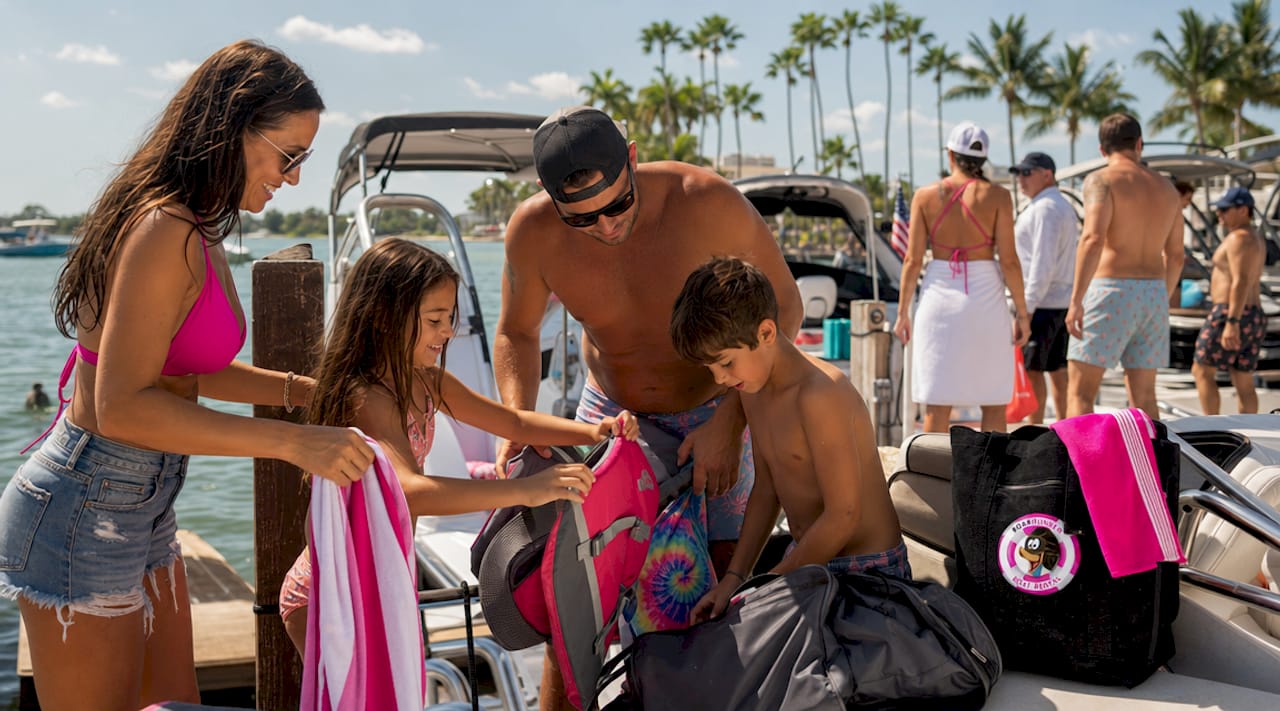
What most visitors do not expect is how much the snowbird influx shapes the local atmosphere. The energy on the water is higher, weekend sandbar gatherings are larger, and local events multiply. The Boca Raton area hosts art festivals, food events, and charity galas throughout the winter months, giving you reasons to stay on land between water days.
Pro Tip: Book your Lake Boca boat rental for a weekday in January or February. You get the same ideal weather as a Saturday but with noticeably fewer boats at the sandbar and easier parking at the marina.
Key winter advantages at a glance:
- Temperatures consistently comfortable for all-day outdoor activity
- Low humidity means no fogged-up sunglasses or soaked clothing by noon
- Ideal visibility for snorkeling near the sandbar
- Active local event calendar with festivals and outdoor markets
- Calm wind patterns that favor smooth Intracoastal cruising
2. Spring at Lake Boca: warm weather with fewer crowds
Spring, covering March through May, delivers a genuine sweet spot for visiting Lake Boca. Temperatures average 24°C to 30°C (75°F to 86°F) with moderate humidity that has not yet reached summer intensity. The water is warm, the skies are mostly clear, and the snowbird crowd has largely returned north by mid-April.
March sits in an interesting middle ground. Spring break traffic from universities and families pushes crowds back up temporarily, particularly on weekends. By late April and into May, Lake Boca quiets down considerably. Accommodation rates drop, boat rental availability opens up, and the sandbar feels like a local secret again rather than a party destination.
May deserves special attention. It is technically still spring, temperatures are warm but not brutal, and afternoon thunderstorms have not yet become a daily occurrence. Experienced Lake Boca visitors often call May the most underrated month on the calendar.
Pro Tip: If your schedule allows any flexibility, target the last two weeks of April. The winter crowd is gone, summer heat has not arrived, and you will find some of the best pricing on accommodations and sandbar boat trips of the entire year.
3. Fall at Lake Boca: the overlooked shoulder season
October and November represent fall's contribution to Lake Boca travel, and they are consistently underestimated. October brings improving weather after the summer heat breaks, with temperatures dropping toward the mid-70s by month's end. Humidity retreats, afternoon storms become less frequent, and the water remains warm from months of summer sun.
The crowd picture in fall is the inverse of winter. Snowbirds have not yet arrived in full force, and summer tourists are gone. That means shorter waits, better rates, and a more relaxed pace at every marina and waterfront restaurant in Boca Raton.
One honest caveat: the Atlantic hurricane season runs June 1 through November 30, with peak threat concentrated between August and October. Visiting in October carries a small but real weather risk that January simply does not. Travel insurance is worth the investment for any fall trip to South Florida.
Here is a direct comparison of the two shoulder seasons to help you decide:
| Factor | Spring (March to May) | Fall (October to November) |
|---|---|---|
| Temperature range | 75°F to 86°F | 72°F to 82°F |
| Humidity level | Moderate, rising through May | Moderate, improving through November |
| Crowd density | Moderate (spring break spike in March) | Low to moderate |
| Accommodation pricing | Moderate, drops sharply in late April | Low to moderate |
| Hurricane risk | None | Low to moderate in October |
| Water conditions | Warm and calm | Warm with occasional chop |
Pro Tip: November is technically fall but behaves like early winter for Lake Boca purposes. If you arrive after Thanksgiving, you get shoulder-season pricing for the first week or two before the snowbird surge fully kicks in.
4. Summer at Lake Boca: the budget traveler's season
Summer at Lake Boca runs June through September and demands honest expectations. Temperatures regularly reach 90°F, with RealFeel values exceeding 103°F on the hottest days. Humidity is relentless, and the UV index hits "Extreme" levels during peak sunlight hours. None of that is a reason to avoid summer entirely. It is a reason to plan smarter.
Here is how to make summer work at Lake Boca:
- Get on the water early. Launch by 8 or 9 a.m. to enjoy two to three hours of comfortable boating before the heat peaks. The sandbar is quieter in the morning and the water is glassy.
- Plan around afternoon storms. Thunderstorms typically build between 2 and 5 p.m. in South Florida summers. Structure your day to be off the water or under cover by early afternoon.
- Apply sunscreen aggressively. The extreme UV index means a burn can develop in under 20 minutes without protection. Reapply every 90 minutes on the water.
- Stay hydrated beyond what feels necessary. Heat and sun on open water accelerate dehydration faster than most visitors realize. Bring more water than you think you need.
- Watch the hurricane forecast. The peak threat window runs August through October. Check the National Hurricane Center daily during those months and have a flexible itinerary.
The reward for tolerating summer conditions is real. Accommodation rates drop significantly compared to winter, boat rental availability is high, and the sandbar crowd thins out to mostly locals. If budget is your primary constraint, June or early July before the peak hurricane window offers the best combination of low prices and manageable weather.
5. How tides and local events shape the best days to visit
Choosing the right season is only half the planning equation. The specific day and time you get on the water at Lake Boca matters just as much. Monitoring tides and weather forecasts before any boat trip improves both safety and enjoyment in measurable ways.
High tide at Lake Boca creates noticeably better conditions for sandbar visits. Water clarity improves, navigation through the inlet becomes smoother, and the sandbar itself sits at a depth that is comfortable for wading and anchoring. Low tide can expose shallow areas that make navigation tricky for less experienced boaters.
Weekend sandbar gatherings in Boca Raton follow a predictable seasonal rhythm. Winter weekends draw the largest crowds, with dozens of boats anchored together and a social atmosphere that some visitors love and others find overwhelming. Weekday visits during any season deliver a quieter, more personal experience on the water.
A few practical timing tips:
- Check the NOAA tide chart for the Lake Worth Inlet or Boca Raton Inlet before booking your rental
- Aim for a launch time two hours before high tide to arrive at the sandbar as conditions peak
- Avoid holiday weekends in December and January if you want space on the water
- Read up on sandbar etiquette before your first visit so you know how to anchor, interact with other boaters, and leave the area clean
Pro Tip: The Tuesday through Thursday window during winter season gives you peak-season weather with off-peak crowds. It is the single best scheduling move for first-time Lake Boca visitors who want the full experience without the chaos.
Key takeaways
November through April is the definitive best period for visiting Lake Boca, combining ideal temperatures, low humidity, and active local events, though spring and fall shoulder seasons offer strong value for travelers willing to trade some weather certainty for lower costs and thinner crowds.
| Point | Details |
|---|---|
| Winter is the top season | November through April delivers 68°F to 79°F temps with low humidity and peak activity. |
| Shoulder seasons offer real value | Late April and October give you good weather, low crowds, and better rental pricing. |
| Summer requires smart planning | Early morning launches and afternoon storm awareness make summer trips workable. |
| Hurricane risk is real in fall | October travel carries weather risk; travel insurance is a practical investment. |
| Tides and timing matter daily | High tide improves sandbar conditions; weekday visits reduce crowd friction year-round. |
My honest read on timing a Lake Boca trip
I have seen travelers arrive in January expecting a quiet escape and find the sandbar packed with boats from Fort Lauderdale to Palm Beach. I have also seen people write off summer entirely and miss genuinely great early-morning sessions on the water when the Intracoastal is flat and the heat has not yet built. The honest truth is that no single season is perfect for every traveler.
My personal preference is late November or early December. The snowbird surge has started but has not peaked, the weather is reliably comfortable, and the local energy is high without being overwhelming. You get the best of both worlds: winter conditions without the full winter crowd.
For travelers who care most about budget, I would push back against the conventional advice to avoid summer entirely. June, specifically the first three weeks before the hurricane season heats up, offers real value. The water is warm, the sandbar is accessible, and you can get on the water for a fraction of what you would pay in February.
A well-rounded Lake Boca visit takes at least four to five days, and seven to ten days lets you combine water days with the cultural and dining options Boca Raton offers. Do not compress a Lake Boca trip into a single weekend. The water deserves more time than that, and so do you.
— Cristiano
Plan your Lake Boca trip with Roadrunnerboatrental
Roadrunnerboatrental makes getting on the water at Lake Boca straightforward, regardless of which season you choose. The fleet includes pontoon boats ideal for groups, with flexible rental durations that fit both a quick half-day sandbar run and a full-day Intracoastal cruise. Every boat is clean, well-maintained, and ready to go with a simple direct booking process. Whether you are planning a birthday outing in February or a budget-friendly morning trip in June, Roadrunnerboatrental covers Boca Raton, Deerfield Beach, Delray Beach, and Pompano Beach waterways. Book your Lake Boca rental directly online and get local expertise included at no extra charge.
FAQ
What are the best months to visit Lake Boca?
November through April are the best months for visiting Lake Boca, with average temperatures between 68°F and 79°F, low humidity, and minimal rain. December through February represent the peak of ideal conditions.
Is Lake Boca crowded during winter?
Yes. Boca Raton's population increases by 15% to 20% from November through April due to seasonal residents and snowbirds, which raises crowd levels at the sandbar and marina on weekends. Weekday visits during winter significantly reduce that congestion.
Can you visit Lake Boca in summer?
Summer visits are workable with the right approach. Temperatures reach 90°F or higher with extreme UV levels, but early morning launches before 9 a.m. and afternoon storm awareness make for enjoyable trips, with the added benefit of lower rental and accommodation costs.
How does hurricane season affect Lake Boca travel?
The Atlantic hurricane season runs June 1 through November 30, with peak risk between August and October. Fall travelers should monitor forecasts daily and consider travel insurance to protect against itinerary disruptions.
How many days do you need to fully enjoy Lake Boca?
A minimum of four to five days gives you enough time for sandbar trips, Intracoastal cruising, and exploring Boca Raton's dining and cultural offerings. Seven to ten days allows a more relaxed pace across all of Palm Beach County.